Let’s Go’s view on artificial intelligence in audiovisual production: expanding possibilities, preserving creative identity and valuing real-world filming.
At Let’s Go, we want to master artificial intelligence to take our ideas to places that were previously difficult to reach. To explore visual possibilities, develop concepts and expand what we can deliver to agencies and brands. Explore our audiovisual production approach.
This evolution requires learning. Tools change, processes shift and some tasks become automated. Our role evolves too: we need to experiment, understand the limitations and decide how to use each resource.
We continue to value human creativity, talent and art. That experience shapes the intention behind a film.
When everyone can generate images, direction makes a difference
Access to the same tool does not mean achieving the same result.
Framing, character development, editing rhythm and the relationship between image and sound give a project its identity. Without these choices, impressive images can end up looking as though they could belong to any brand.
In Nativ, AI contributes to the film’s visual production. It is an example of how these tools can expand a production’s possibilities, guided by choices of visual language, rhythm and direction.
Nativ · Film with AI-assisted visual production
Agency · LucidThe tool opens up possibilities. Creative judgement determines which of them belong in the film.
Speed can also mean more room to create
We want to use technology to explore approaches, test compositions and make ideas clearer before final delivery.
An initial presentation with still frames helps us discuss the visual proposal with the agency and client. Following approval, we move into animation, motion design and audio integration.
Time saved can be invested in better decisions. Speed matters when it helps us deliver more consistent work.
Some stories require being there
We continue to believe in going on location, listening to people and recording what happens in front of the camera.
People, cultures and events deserve to be understood through their own voices and experiences. Real-world filming makes that encounter possible and tells a story grounded in what happens in the world.
In Povos Indígenas, for ALETO, with agency Age, real-world filming brings this commitment into focus. Recording people and their everyday lives connects the audience with a reality that exists beyond the film.
Povos Indígenas · ALETO
Agency · AgeA generated image can represent an idea. Documentary footage also carries the responsibility of witnessing reality. That distinction guides our choices of visual language and production methods.
Some projects call for filming. Others gain new possibilities through AI. And some bring these resources together. Explore other Let’s Go projects.
Progress requires responsibility
We advocate care with people’s likenesses and voices, respect for authorship and clarity about the use of technology when it affects the audience’s understanding.
This matters especially when a film addresses real people, cultures, institutions or events. Our ability to create images must go hand in hand with protecting trust.
What we want to take forward
We do not know exactly what the next tools will look like. We know what we want to do with them: expand our creative ability and solve communication challenges.
That requires technical learning, but also experience, sensitivity and judgement. It requires professionals who can recognise a good idea, develop a visual language and bring a production together.
At Let’s Go, we want AI to help us go further — with direction, identity and purpose. Explore our audiovisual production approach.
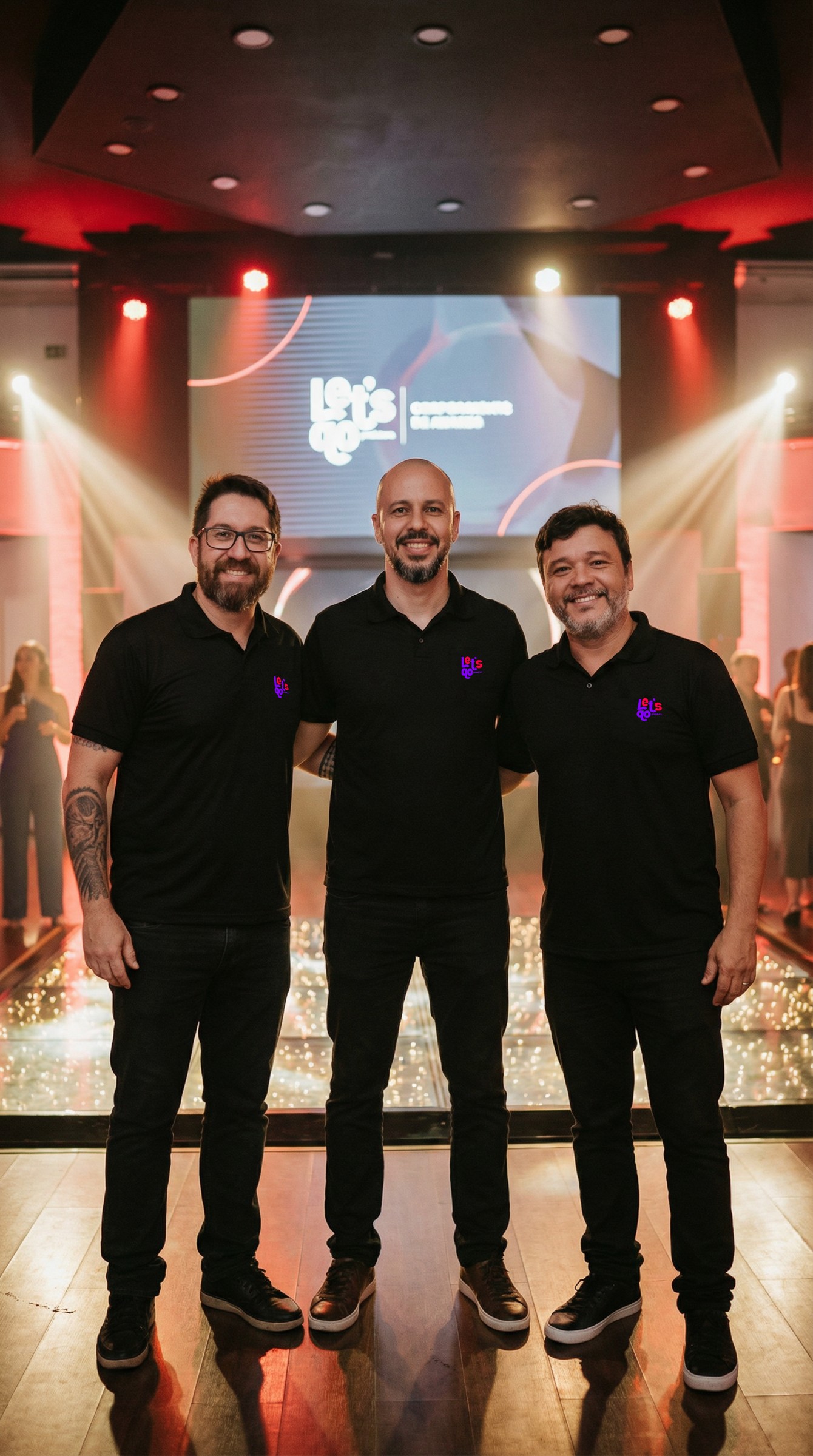 Let’s Go Produtora partners. Image produced with the assistance of artificial intelligence.
Let’s Go Produtora